Born in Poston Camp, Japanese American Advocate Speaks on Necessary Historical Memory
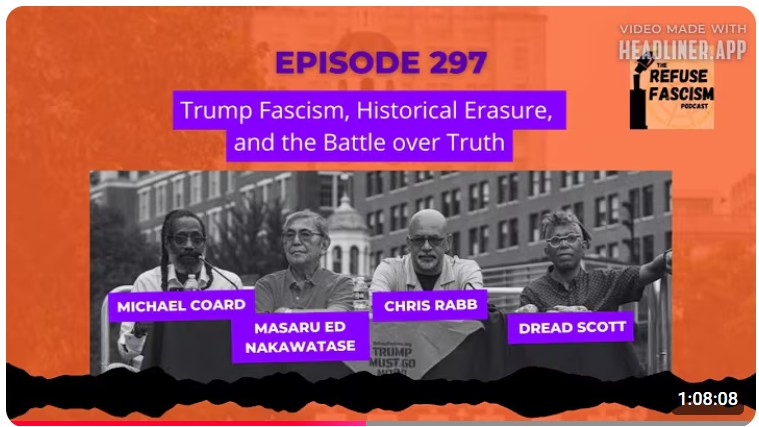
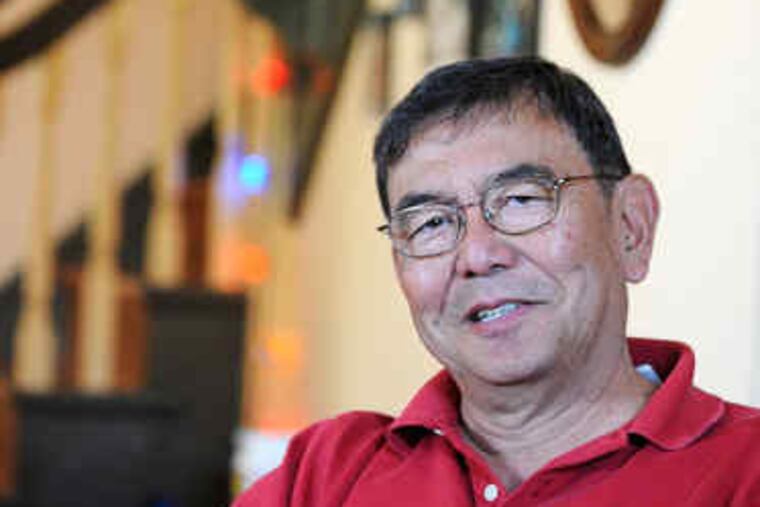
Masaru Edmond Nakawatase is a Japanese American civil rights organizer, educator, and advocate. He spoke at the outdoor forum: “250: Trump Fascism, Historical Erasure, and the Battle Over Truth — The Fight Over Black History, National Memory, and America’s Future” on June 26, 2026. Not Fade Away shares selected comments from his remarks below, and we follow with a brief introduction to the Seabrook Educational and Cultural Center.
I’m probably the only person here who was born in a concentration camp in the United States. It strengthened my character, obviously, but it is part of my experience and part of the general experience of Japanese Americans, and I think that that merits some focus here.
First of all, the internment or the incarceration… follows in the historical line of the 1882 Asian Exclusion Act passed by a Congress that wanted Chinese to work on the railroads, and then they wanted them to get out of the country… But the internment has a content, a deeply rooted content that we should try to understand because the Exclusion Act also did a number of other things… One was to forbid citizenship for Chinese, Japanese, and Filipinos who came to this country. My father was one of them, and that situation didn’t change until 1953.
So, when we talk about solidarity, I think that concept is also important when we talk about support. And one of the things that’s happened to the national Japanese and other Asian American communities is their response in the face of efforts to round up Muslims and Arabs into camps. We know that experience, and I think that it’s important to relate that it’s part of the historical memory of our communities. It is part of that broad historical memory, so that it gives me some pride to know that when the calls come out, as they inevitably seem to, that alien foreigners need to be rounded up and deported. Usually, among the first groups [to respond] are the Japanese American citizens, and that’s historical memory, and that’s important.
Anti-immigration is an ongoing thread of the xenophobia… that has been stirred by the right wing in this country, and that’s one of the aspects of it that we have to be aware of.
I want to close and note that I’m the head of the board of the [Seabrook Educational and Cultural Center] where I grew up in South Jersey, and it’s been important there… I mean, you’re talking about communities that were established, people that tell stories of their experiences as newly minted or non-minted Americans, and those are important.
The Japanese American Experiences at Seabrook Farms
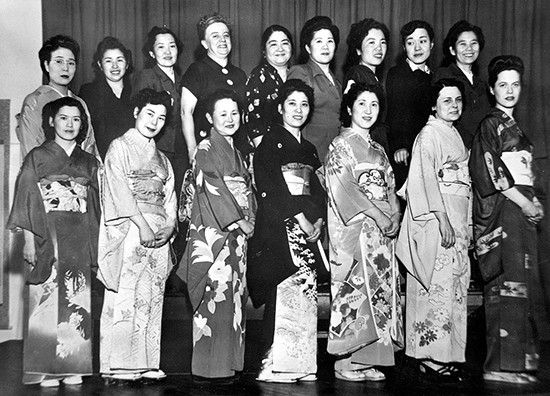
This museum preserves a little-known experience of Japanese Americans during and after WWII. Seabrook Farms was where thousands of Japanese Americans and Japanese Peruvians (as well as European refugees) relocated during and after WWII to work after being released from the camps.
From the museum’s website: “The Seabrook Educational and Cultural Center presents the stories of relocated Japanese Americans and Japanese Peruvians from United States incarceration camps; wartime refugees from Europe; migrant laborers from Appalachia, the Deep South and the Caribbean. Seabrook was an authentic “global bootstrap Village” where people of many cultures lived and worked together and still celebrate their heritage.”
About Masaru Edmond Nakawatase
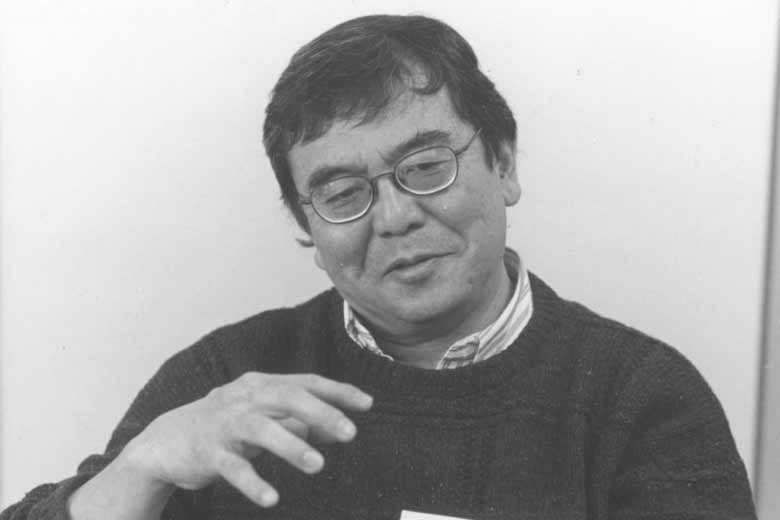
Masaru was born in the Poston concentration camp in Arizona during the WWII Japanese American internment. In 1963, he worked with the Student Nonviolent Coordinating Committee (SNCC). After that seminal experience, his life work centered on the American Friends Service Committee (AFSC) in Philadelphia. He is president of the Board of Trustees of the Seabrook Educational and Cultural Center in New Jersey.
To listen to his full presentation at the forum: “250: Trump Fascism, Historical Erasure, and the Battle Over Truth — The Fight Over Black History, National Memory, and America’s Future” on June 26, 2026, go here.